How Long Do Pool Enclosures Last In Florida Homes?
Given Florida’s intense sun, heavy rains, high humidity, and hurricane exposure, it is understandable that many homeowners wonder: How long do pool enclosures last? The answer is that their longevity depends on materials, construction quality, environmental exposure, and ongoing care.
This guide explains how long pool enclosures typically last in Florida, what affects their lifespan, and how homeowners can extend their durability.
What Is a Pool Enclosure?
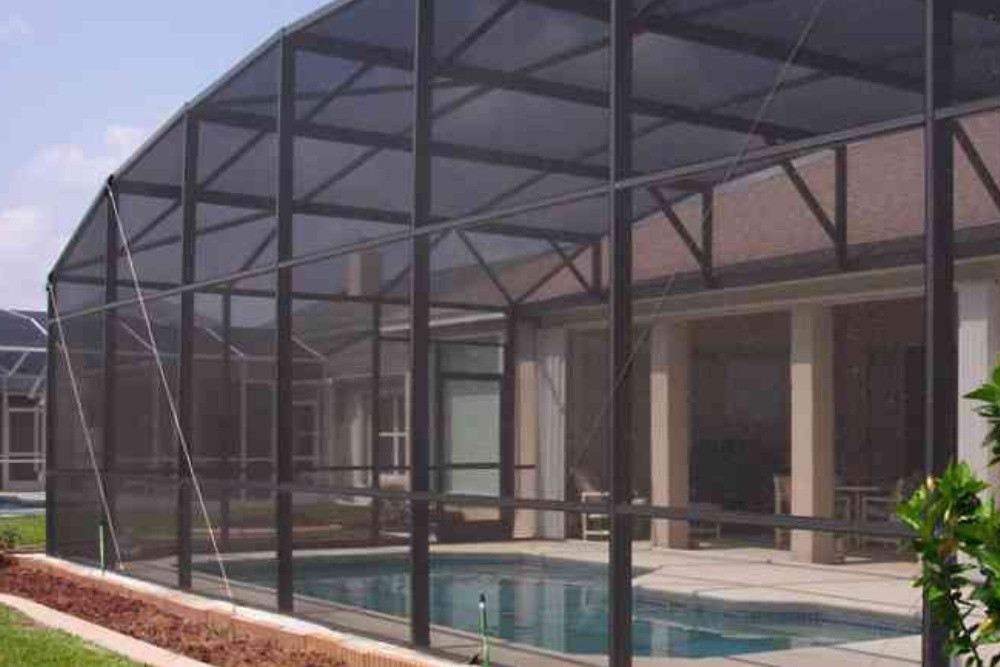
A pool enclosure is a framed structure, typically made from aluminum and mesh screening, that surrounds a swimming pool and adjacent patio area. It allows airflow and sunlight while keeping out pests, leaves, and debris.
Most pool enclosures are a type of screen enclosure designed specifically to meet Florida building codes and wind-load requirements. They are engineered to withstand storms while providing a comfortable outdoor environment for daily use.
As pool enclosures are exposed year-round to Florida’s climate, understanding their components is key to knowing how long they will last.
How Long Do Pool Enclosures Last?
How long does a pool enclosure last in Florida homes on average? Most professionally installed pool enclosures last between 10 to 20 years, with some lasting even longer when properly maintained.
The aluminum frame typically has the longest lifespan. High-quality aluminum can last 20 years or more without structural failure. The screening material, however, usually needs replacement sooner, often every 7 to 12 years, depending on exposure and wear.
Fasteners, anchors, and roof panels may also require periodic replacement over time. While the enclosure as a whole remains intact, individual components age at different rates.
How Long Will Pool Enclosures Last Based on Materials?
Materials play a major role in determining how long pool enclosures last in Florida’s demanding environment.
Aluminum Frames
Aluminum is the most common framing material due to its resistance to rust and corrosion. Powder-coated or treated aluminum frames typically last decades with minimal structural issues.
Screen Mesh
Standard fiberglass screens are affordable but tend to wear faster under UV exposure. Specialty screens designed for durability, pet resistance, or UV protection last longer but come at a higher initial cost.
Roof Panels
Some pool enclosures include polycarbonate or acrylic roof panels. These materials provide shade and weather protection but may need replacement after prolonged sun exposure.
Choosing higher-quality materials upfront often results in fewer repairs and a longer overall lifespan.
Florida Climate and Its Impact on Longevity
Florida’s climate is one of the biggest factors affecting pool enclosure lifespan. Constant exposure to sun, humidity, rain, and salt air accelerates wear and tear.
UV rays gradually weaken the screening material, making it brittle over time. High humidity promotes mold and mildew buildup if not cleaned regularly. Coastal areas face additional challenges due to salt air, which can corrode metal components faster.
Storms and hurricanes also place stress on pool enclosures. Structures built to meet or exceed local wind-load requirements tend to perform better and last longer.
Installation Quality Matters
The quality of installation has a significant impact on how long a pool enclosure lasts. Poorly installed enclosures may experience loose fasteners, misaligned frames, or premature screen failure.
Professional installation ensures proper anchoring, spacing, and tensioning of materials. It also ensures compliance with Florida building codes, which are designed to protect structures from extreme weather.
A well-installed enclosure not only lasts longer but also requires fewer repairs over time.
Maintenance and Its Role in Extending Lifespan
Routine maintenance is one of the easiest ways to extend the life of a pool enclosure. Simple upkeep helps prevent small issues from becoming major problems.
Regular cleaning removes dirt, pollen, and salt buildup that can degrade materials. Inspecting screens for small tears allows for early repairs before damage spreads.
Checking fasteners and frame connections after storms helps maintain structural integrity. With consistent care, homeowners can significantly extend the lifespan of their enclosure.
Signs Your Pool Enclosure May Need Repairs or Replacement
Even durable enclosures eventually show signs of aging. Common indicators include sagging screens, frequent tears, loose framing, or corrosion around fasteners.
Roof panels may become cloudy, cracked, or brittle over time. Doors that no longer align properly can also signal structural shifting.
Addressing these issues early can prolong enclosure life. However, when repairs become frequent or costly, replacement may be the more practical option.
Pool Enclosures Vs. Other Outdoor Structures
Pool enclosures are often compared to patios, pergolas, or solid-roof structures. While these alternatives have their benefits, pool enclosures offer a unique balance of protection, airflow, and visibility.
Unlike solid structures, screen enclosures allow natural ventilation, reducing heat buildup. They also require less maintenance than glass-based structures while offering strong protection against insects and debris.
This balance contributes to their long-term popularity in Florida homes.
How Long Do Pool Enclosures Last Compared to Screen Panels?
When asking how long pool enclosures last, it’s important to separate the structure from its components. The aluminum frame often outlasts the screening by many years.
Many homeowners choose to rescreen their enclosure rather than replace the entire structure. Rescreening restores appearance and functionality at a lower cost than full replacement.
This modular longevity makes pool enclosures a cost-effective long-term investment.
Ways to Maximize the Lifespan of Your Pool Enclosure
Homeowners can take several steps to ensure their pool enclosure lasts as long as possible.
Choosing high-quality materials and professional installation is the first step. Routine cleaning and seasonal inspections help maintain performance.
Avoiding unnecessary strain, such as hanging heavy items from the frame or ignoring storm damage, also preserves structural integrity.
With proper care, a pool enclosure can remain functional and attractive for many years.
Are Pool Enclosures Worth the Long-Term Investment?
For Florida homeowners, pool enclosures offer strong long-term value. They reduce pool maintenance, improve safety, and increase usable outdoor space.
While components may need occasional replacement, the overall structure often lasts decades. This makes pool enclosures a practical investment for both lifestyle comfort and home value.
Their durability, combined with daily usability, explains why they remain a popular feature in Florida homes.
Choose Quality Construction for Lasting Performance
The lifespan of a pool enclosure depends heavily on construction quality. Proper design, materials, and installation ensure the enclosure withstands Florida’s climate challenges.
Experienced professionals understand local codes, environmental factors, and structural requirements. This expertise translates into longer-lasting, more reliable enclosures.
Investing in quality from the start reduces long-term costs and improves satisfaction.
Protect Your Investment and Enjoy Long-Term Comfort
Pool enclosures are designed to enhance outdoor living while protecting against Florida’s toughest elements. With the right materials and maintenance, they can serve homeowners reliably for many years.
At Colonial Construction, our work is backed by over 25 years of experience, a workmanship guarantee, competitive pricing, and a skilled team using quality materials.
We provide no-hassle, competitive, value-priced estimates, and our design team works with you to create the project of your dreams while our outdoor living expert craftsmen use the best materials to construct your perfect space. Request your free estimate today!