Easy Screen Enclosure Maintenance Tips for Homeowners
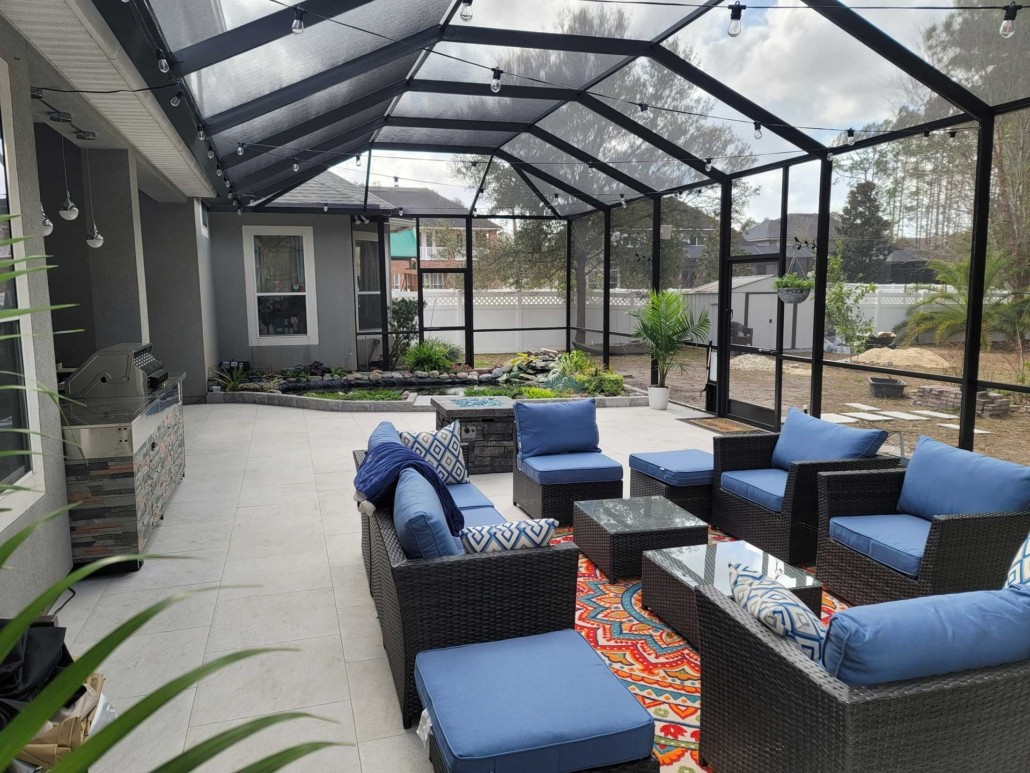
Screen Enclosure Maintenance Tips for Homeowners: How to Prevent Mold, Rust, and Wear in Florida
Florida is a great place for outdoor living. The sun, the breeze, the long pool season, it all adds up. However, if you live anywhere near Jacksonville, you probably know your screen enclosure can take a beating. Between the humidity, salt in the air, UV exposure, and sudden storms, Florida’s climate can wear down even the best-built structures. And if you’re not keeping up with regular maintenance, it doesn’t take long for mold, rust, or mesh damage to sneak in. That’s why we’ve put together these screen enclosure maintenance tips for homeowners in Jacksonville, FL. Whether you have a lanai, pool enclosure, covered patio, or screened porch, these seasonal tips can help you protect your investment and keep everything looking its best.
1. How Often Should You Clean Your Screen Enclosure in Florida?
If you ask around, most homeowners will say they clean their screen rooms once every few months. But in Florida? Honestly, that’s probably not enough. With all the moisture in the air and how quickly mildew forms, a monthly cleaning might be more realistic. Especially if you’re near the beach or under a canopy of trees.
A quick rinse with a garden hose every couple of weeks helps keep pollen, salt, and debris from building up. Then, once a month, do a more thorough cleaning. A soft-bristle brush and some warm water with mild dish soap usually do the trick. Or mix in some white vinegar if you’re dealing with mold.
Pressure washers? They’re tempting, but be careful. If the pressure’s too high, you could tear the screen material or weaken the frame joints. Try a power washer on the lowest setting, with plenty of distance.
2. Can Florida Weather Damage My Screens? What Should I Look For?
Absolutely. Screen damage in Florida isn’t always dramatic; it’s not just hurricanes. Sometimes it’s just slow wear from constant sun, wind, and rain.
Watch for:
- Loose screen mesh
- Sagging sections
- Torn corners near sliding doors
- UV discoloration
- Pitting or chalky residue on the aluminum
If you see any of these signs, it might be time for screen repair or full rescreening services. Some Jacksonville homeowners wait until it becomes a big problem, but early fixes cost less in the long run.
3. What’s the Best Way to Prevent Mold Growth on a Screen Enclosure?
Mold thrives in Florida’s climate. It just does. Especially in shaded areas where moisture lingers, like around the base of a pool enclosure or near outdoor plants.
Using white vinegar is a safe, natural method to kill mold spores on mesh and aluminum frames. You can mix it 1:1 with water and spray it directly onto affected areas. For stubborn spots, baking soda adds a gentle abrasive that won’t harm the screen or finish.
Good airflow helps too. Trimming back hedges and trees that crowd the enclosure can improve air circulation and help things dry out after rain.
If mold keeps coming back in the same spots, it could be a sign of poor drainage or shaded moisture traps. That’s where a professional inspection might help spot the bigger picture.
4. What Products Are Safe to Use on Aluminum Frames?
Aluminum construction is common in screen enclosures throughout Jacksonville. It’s lightweight, durable, and relatively rust-resistant, but not bulletproof.
Stay away from harsh acids, bleach, or abrasive scrubbers. Instead, look for aluminum-safe cleaners or diluted dish soap. Some Jacksonville homeowners even apply a light protective coating, like car wax or marine-grade polish, to help block moisture and UV rays.
Also, check those joints and corners. Rusty fasteners can stain the aluminum frame and compromise structural integrity. A wire brush can remove rust buildup, but you might want to replace any corroded screws, especially if you’re closer to the coast.
5. How Do You Prevent Rust on Fasteners and Frame Joints?
Rust isn’t just an eyesore. It weakens connections, especially at joints where screws hold the frame together.
Here’s what helps:
- Replace cheap or rusted screws with stainless steel or coated options.
- Apply a rust inhibitor spray twice a year.
- Keep sprinkler systems aimed away from the enclosure.
- Use a mesh patch or screen repair kit as soon as you see small holes forming. Water seeps in through those gaps.
And if rust keeps coming back, even after replacing screws? It could be worth calling a pro to check for deeper corrosion inside the frame.
6. Should You DIY or Hire a Pro for Screen Enclosure Maintenance?
It depends. For basic cleaning and small repairs, DIY is fine. You can grab a screen repair kit or patch a tear with heavy-duty screen mesh. Some people even use pet-resistant screens if their dogs like to lean on the mesh.
But if you’re seeing widespread wear, multiple sagging panels, or structural issues like frame separation, a professional team might be the better call.
In Jacksonville, FL, screen enclosure specialists understand the weather patterns, Florida wind code requirements, and how to match screen materials to your location. Companies like Colonial Construction offer rescreening services, full enclosure replacement, and structural upgrades.
7. What Are the Most Common Screen Enclosure Issues in Jacksonville Neighborhoods?
It varies by location. Here’s a quick rundown:
- Riverside / Avondale: Lots of mature trees = constant leaf litter and mold.
- Beaches (Atlantic, Neptune): Salt air speeds up corrosion and pitting on aluminum.
- Mandarin: Bugs and high humidity mean frequent mesh damage.
- Southside / Baymeadows: Pool screen mesh tends to discolor faster from constant sun exposure.
If you’ve noticed other homeowners in your area replacing screens more often, it’s probably not just a coincidence. Florida weather hits every part of Jacksonville a little differently.
8. How Can You Protect Your Screen Enclosure Year-Round in Florida?
Florida weather doesn’t let up. Here’s a seasonal checklist that might help you stay ahead of mold, rust, and damage:
Spring
- Rinse pollen and dust from the mesh and frames
- Apply a protective coating to aluminum
- Check for joint issues and rust
Summer
- Inspect for storm damage after each major weather event
- Reinforce weak spots (use heavy-duty screens or frame brackets)
- Clear out nearby plants or vines
Fall
- Remove leaf buildup from around the base
- Touch up areas showing signs of corrosion
- Rinse off algae or mold buildup before cooler temps trap moisture
Winter
- Deep clean frames and mesh
- Store or secure outdoor furniture to prevent accidental damage
- Schedule professional inspections or rescreening if needed
Staying consistent with these steps helps reduce the risk of sudden repairs and keeps your screen room or lanai feeling like an extension of your home.
Final Words
Screen enclosures, lanai rooms, and pool enclosures are a big part of Florida living. They make patios more comfortable, keep the bugs out, and turn your backyard into a usable space year-round. But Florida’s heat, humidity, and coastal air are rough on materials.
That’s why regular upkeep matters. Simple screen enclosure maintenance tips for homeowners include rinsing off salt and debris, checking for tears or loose frames, and inspecting screws and fasteners for rust. And if something feels off, it probably is. Better to check early than wait until you need a full replacement.
Colonial Construction helps homeowners across Jacksonville protect and restore their screen enclosures with local know-how and long-lasting materials. If you need help with rescreening, screen repair, or full enclosure replacement, give us a call.
Because in Florida, outdoor living only works if your screens do too.