Do I Need A Permit To Build A Covered Patio? A Guide For Florida Homeowners
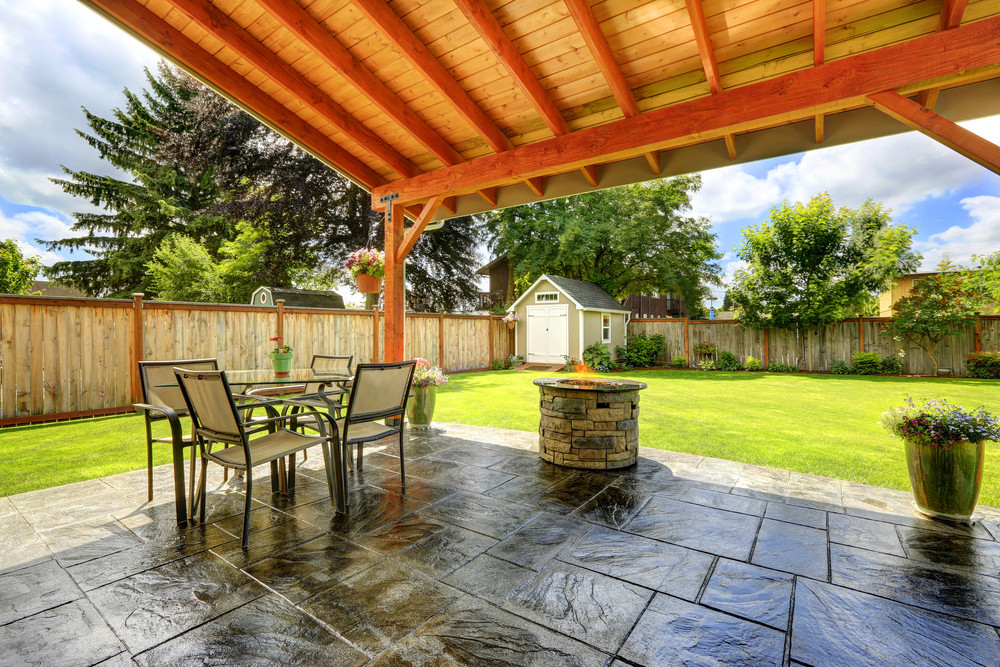
If you’re considering adding a covered patio to your property, you may be wondering if you need a permit. In Florida, the answer depends on several factors, such as the size and structure of the patio. Do I need a permit to build a covered patio is a common question for homeowners, but understanding local building codes and zoning laws is key before starting the project. In some cases, a simple patio may not require one, but more complex structures often do. State laws require official approval to verify that the design meets safety standards for wind resistance and structural integrity. Following these legal requirements prevents expensive fines and keeps the home safe during severe weather events.
What Is a Covered Patio and Why Build One?
A covered patio consists of a floor area with a permanent roof attached to a house or standing alone. This structure protects the outdoor space from hot sun and heavy rain while allowing fresh air to flow freely. Adding this feature increases the usable living space of a property without the high cost of a full room addition.
Constructing a shaded outdoor area creates a perfect spot for relaxation or hosting guests in a comfortable setting. The roof keeps outdoor furniture dry and extends the life of deck materials by blocking direct sunlight. A well-designed roofed space adds significant value to a residence and makes the backyard more functional throughout the entire year.
Do You Need a Permit for a Covered Patio?
Florida law requires a building permit for any structure that includes a roof or attaches to the main house. Local building departments must review plans to confirm the new roof can handle specific wind loads required by state codes. Even small roofed additions fall under these regulations because they impact the structural safety and drainage of the existing property.
Building without a permit leads to major problems when a homeowner decides to sell the property in the future. Title companies and lenders check for proper documentation on all additions before closing a real estate deal. Obtaining the correct paperwork at the start saves money and avoids the stress of removing unpermitted work later on.
Key Factors That Determine Permit Requirements
Specific details regarding the construction plan dictate exactly which documents the local building office will require from the owner.
- Attachment: Attaching a roof directly to the house makes the structure part of the primary building under the law. This connection means the new roof must meet the same wind speed standards as the main residence. Engineers must sign off on how the new beams join the existing wall to prevent leaks or structural failure.
- Size: Large structures take up more ground space and affect how rainwater flows across the lot during a storm. Small pergolas under one hundred square feet sometimes escape permit rules if they remain detached from the house. Anything larger than this limit needs a formal review to check for safety and compliance with zoning laws.
- Height: Tall structures face higher wind pressures and require deeper footings to stay secure in the ground during a hurricane. Rules limit the height of patio covers to twelve feet in many residential zones to keep the neighborhood looking uniform. Exceeding these height limits triggers a more intense review process and might require special zoning variances.
- Materials: Heavy materials like concrete tiles or metal roofing place more stress on the support posts and the house wall. Using a lightweight screen or thin plastic might change the wind load requirements but rarely removes the need for a permit. Officials check material specifications to confirm every component can survive the harsh Florida climate and intense sunlight.
- Location: Placing a structure too close to the property line violates local setback rules that protect privacy and fire safety. Building departments check the site plan to confirm the patio remains a safe distance from fences and utility lines. Failure to follow these spacing rules can result in a legal order to tear down the new construction.
Local Jacksonville Rules for Covered Patios
Jacksonville maintains specific ordinances that regulate how residents improve their outdoor spaces to keep the community safe and beautiful.
- Wind: Jacksonville sits in a high wind zone, which means every roof must resist uplift forces from powerful coastal storms. The city requires builders to use specific fasteners and bracing techniques that prevent the roof from flying off. Local inspectors verify these connections during the construction phase to confirm the patio remains secure in heavy winds.
- Zoning: Zoning codes in Duval County limit how much of a backyard a structure can cover to prevent overcrowding. These rules also manage how much water can soak into the ground instead of running off into the street. A permit application includes a survey to show that the new patio fits within the allowed building area.
- Drainage: Florida receives heavy rainfall, so the city monitors how new roofs shed water toward neighbors or public drainage systems. Plans must show that the patio roof will not cause flooding on nearby properties or overwhelm the local gutters. Proper grading around the new slab helps manage this water and protects the foundation of the home.
- Electric: Installing lights or fans under a patio cover requires an additional electrical permit to prevent fire or shock hazards. Jacksonville inspectors must check that all wiring uses outdoor ratings and connects to a grounded circuit for safety. This step prevents dangerous accidents and confirms the wiring meets the latest national and local electrical codes.
The Role of Permits in Patio Safety Compliance
Permits serve as a formal check to confirm that every part of a new build stays within safety limits. Professional plan examiners look for flaws in the design before any wood or metal arrives at the home. This oversight prevents structural collapses that could cause injuries or damage the main house during a typical Florida storm.
Inspections happen at different stages of the project to verify that the builder follows the approved blueprints exactly. An inspector checks the depth of the holes for the posts and the quality of the roof attachments. This process gives the owner peace of mind that the structure is solid and built to last many years.
Steps to Apply for a Covered Patio Permit
The process begins by creating a detailed site plan that shows the house and the proposed patio location. A homeowner must then gather structural drawings that list the materials and dimensions for the posts and the roof. These documents go to the building department along with a completed application form and the required filing fee.
Once the city receives the paperwork, the plan review team starts checking the design against the current building codes. If the team finds errors, the owner must fix the drawings and resubmit them for a final check. After approval, the office issues a permit card which must stay visible on the job site until completion.
Costs Associated with a Covered Patio Permit
Fees for building permits vary based on the total value and square footage of the planned outdoor structure. The city charges a base fee to cover the time spent reviewing the plans and conducting the necessary field inspections. Homeowners should also budget for the cost of a professional survey and engineered drawings if the city requires them.
Additional costs arise if the project includes electrical wiring for outlets or overhead lighting in the new space. These specialized trades require their own permits and inspections, which add to the total expense of the legal paperwork. Paying these fees upfront is much cheaper than paying double for a late permit after construction starts.
When a Permit Is Not Needed for Patios
Simple concrete slabs that sit directly on the ground often do not require a building permit in Florida. These flat surfaces do not have walls or roofs and they do not change the structural load of the house. As long as the slab stays below a certain height above the ground, it remains a minor improvement.
Portable umbrellas or temporary pop-up tents that do not attach to the ground also bypass the permit process. These items are not permanent structures and do not pose a risk to the building during a major wind event. Homeowners can use these moveable options to provide shade without filing paperwork or paying city fees.
Common Permit Violations for Patio Construction
Skipping the legal process often leads to mistakes that inspectors catch later during a routine check or property sale.
- Encroachment: Building a structure over a utility easement or too close to a property line is a serious violation. This mistake can block access for repair crews or create a fire hazard for the entire neighborhood. The city can force a homeowner to move or destroy the patio if it sits in a restricted zone.
- Foundation: Using shallow footings that cannot support the weight of the roof is a common error in unpermitted projects. Florida soil is sandy and requires deep concrete bases to keep a structure from sinking or blowing away. Inspectors will fail a project if the foundation does not match the depth required by the code.
- Fasteners: Using regular nails or screws instead of hurricane-rated straps can cause the roof to fail in a storm. Code requires specific metal connectors that tie the roof beams to the posts and the posts to the ground. These heavy-duty parts keep the structure together when air pressure changes during a hurricane or tropical storm.
- Enclosures: Adding walls or glass windows to a patio without a permit changes the classification of the space significantly. An enclosed room has different fire and ventilation requirements than an open patio area with just a roof. Illegal enclosures often lack the proper insulation or emergency exits required for a safe living environment.
How to Avoid Permit Problems During Construction
Hiring a licensed contractor who understands the local building codes is the best way to prevent legal trouble. A professional handles the paperwork and communicates directly with the city inspectors to keep the project on track. They also carry insurance that protects the property if an accident happens during the building phase of the job.
Keeping a clean and organized job site helps the inspection process go smoothly when the city official arrives. The permit card must be displayed in a window or on a post where it is easy to see. Checking the progress against the approved plans daily prevents small mistakes from turning into major code violations later.
Final Tips for Building Your Covered Patio Safely
Taking the time to plan every detail before digging the first hole leads to a better finished product.
- Engineering: Investing in professional engineering services confirms that the roof can handle the weight of the roofing materials. An engineer calculates the exact size of the beams needed to span the distance without sagging over time. These calculations are part of the permit package and provide a blueprint for a sturdy and safe build.
- Association: Checking with the homeowners’ association before starting work prevents fines and legal disputes with the local board. Many neighborhoods have strict rules about the color and style of roofs to maintain a consistent look. Getting written approval from the board avoids the risk of having to change the design after construction.
- Contractors: Verifying the license and insurance of any worker on the property protects the owner from financial liability. A licensed builder must follow the state laws regarding permits and safety inspections as part of their professional duty. This verification ensures that the person doing the work has the training to build a safe structure.
- Timeline: Allowing enough time for the permit review process prevents delays in the actual building schedule of the patio. Some cities take several weeks to look over plans and issue the final paperwork for a new structure. Planning ahead means the materials and workers arrive only after the legal permission is firmly in hand.
Call Colonial Construction to Start Your New Custom Outdoor Building Project
Adding a beautiful outdoor room changes how you enjoy your home every single day of the year. We build high quality custom aluminum covered patios in Jacksonville, FL that last for many decades. Our team has twenty-five years of experience building sunrooms and pool enclosures with the best local materials. Buy custom covered patios in Jacksonville, FL from us to receive expert craftsmanship and a full workmanship guarantee. Contact Colonial Construction to start your project with a free quote from our reliable professionals.