Concrete Vs. Pavers: Which To Choose For Your Home?
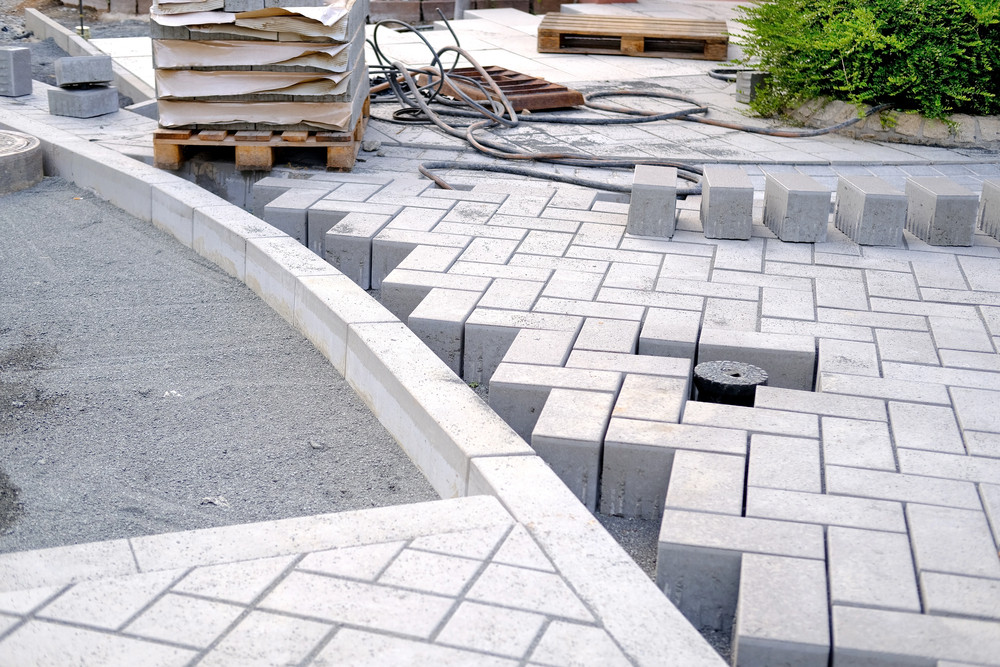
Deciding on the best material for outdoor surfaces like patios and driveways makes a significant impact on your property. Hard surfaces need strength and good looks to handle daily use and last for many years in different weather. Carefully considering factors like initial cost, expected lifespan, and the required upkeep helps determine the right choice. Home improvements involving these materials need thought to select the best option for your specific outdoor needs. Understanding the differences between concrete vs. pavers helps make this important decision easier for any property project requiring a hard surface. Selecting the proper material determines the look, required upkeep, and lifespan of the finished outdoor surface.
Durability Comparison: Concrete vs. Pavers Performance
Poured concrete creates a solid surface that resists most common surface pressures well during daily use around the home. However, large poured slabs crack eventually because of ground settling, temperature changes, or heavy weight loads put onto the surface. You must replace cracked concrete sections entirely, causing a much more difficult and costly repair process for the homeowner.
Pavers are interlocking pieces distributing weight over a much wider area, preventing large-scale cracking from minor ground movement or regular weather changes. Paver surfaces need little worry about breaking down quickly, resisting cracking much better than large continuous concrete slabs over long periods of time. Choose pavers for a surface that will handle everyday pressures for many years.
Maintenance Requirements: Concrete vs. Pavers Care
Maintenance for poured concrete surfaces involves periodic cleaning, mainly removing dirt, stains, and moss growth from the smooth finished top. Concrete surfaces also require a proper resealing every few years; the sealant protects the surface from water damage and delays the inevitable staining and fading of the material. Skipping routine care shortens the lifespan of any concrete surface, reducing its overall appeal and strength.
Paver systems need less involved daily maintenance; easily brush away dirt or quickly wash away surface grime with a hose for simple cleaning. Sometimes weeds grow between the joints of the stones, requiring simple removal with a weeding tool or a spot treatment herbicide. Replace damaged pavers quickly and easily without needing specialized equipment or much expense.
Aesthetic Appeal: Concrete vs. Pavers Design Choices
Poured concrete offers a uniform, simple, and clean look that works very well with modern, minimalist architectural home designs. Contractors use specialized stamps and colors creating different textures and patterns resembling other materials like stone or brick during the installation process. Design choices for concrete are often limited by the size of the poured area and the available finishing techniques.
Pavers give property owners a much wider range of colors, shapes, and material choices creating diverse and personalized visual outcomes for every space. Installers arrange the pieces in many different complex geometric patterns, creating visual interest and adding unique texture to the ground area. You achieve a more decorative and customized look using pavers for any outdoor area.
Installation Process: Concrete vs. Pavers Timeframes
Pouring a concrete slab usually takes less time to complete than laying pavers, especially for larger, simpler, and less decorative square or rectangular surface areas. Concrete needs proper time to cure after pouring, sometimes requiring several days before anybody can walk or drive on the finished surface without causing surface damage. This waiting period extends the total project time despite the quick initial pouring phase.
Laying pavers demands more manual labor and careful arrangement, often extending the total project time significantly compared to simply pouring concrete. However, a paver area is ready for full use right away once the installation crew finishes the final setting and compaction steps. Pavers allow for immediate use without needing a lengthy curing time for the surface material.
Versatility: Concrete vs. Pavers for Different Spaces
Poured concrete works best for large, flat areas needing a seamless, continuous surface like a basic driveway, a functional sidewalk, or an expansive garage floor. Shaping the wet concrete around curves or adding complex details requires specialized forms and added labor, making these more intricate projects much more costly. Concrete offers a simple, solid base for utilitarian outdoor surfaces needing easy installation.
Pavers easily adapt to irregularly shaped spaces, sloping ground, or areas requiring tight curves and complex, customized geometric boundaries for the design. The smaller size of the stones makes cutting them much simpler than cutting large concrete slabs, allowing for a neat finish around oddly shaped obstacles. Pavers offer greater flexibility for creating decorative borders and specific design elements in small or complex areas.
Weather Resistance: Concrete vs. Pavers in Climate Conditions
Freezing and thawing cycles severely impact poured concrete, causing small surface cracks to widen as water seeps in and freezes, creating larger surface damage and breakdown. Concrete surfaces are vulnerable to chemical damage from road salt used in winter, causing surface deterioration and pitting of the material. Poured concrete cracks and shifts under constant temperature change and stress from seasonal weather.
Pavers handle changes in weather better because the gaps between the pieces allow for small surface movements without cracking or breaking the entire system. Water drains easily through the gaps, reducing the chance of freeze-thaw damage on the surface and preventing large puddles from forming on the surface. Pavers resist the effects of seasonal temperature changes and regular exposure to moisture quite well.
Longevity of Concrete vs. Pavers Over Time
A well-maintained poured concrete slab usually lasts between twenty to thirty years before requiring full replacement due to extensive cracking, spalling, or major settling. Concrete’s long-term appearance depends heavily on the initial installation quality and the diligence of the homeowner with regular sealing and cleaning. Expect surface cracks and slight material decay to appear in concrete after two decades of constant use.
High-quality pavers made from dense materials often last fifty years or even longer when properly installed over a stable and well-draining base layer of material. Pavers maintain their appearance very well over many years, resisting color fading and surface wear from traffic and regular exposure to the elements. Pavers offer an extremely durable and very long-lasting solution for outdoor surface needs.
Repair and Replacement: Concrete vs. Pavers
Repairing cracks or surface damage in a poured concrete area usually involves patching the surface with fresh concrete or a specialized filler material. Patches often do not perfectly match the existing concrete color and texture, making the repair noticeable, which greatly affects the surface’s visual appeal. Repairing large cracks in concrete can become a temporary fix before a complete area replacement is necessary.
Replacing damaged pavers is a very straightforward and simple process of removing the broken stone and dropping a new, identical paver into the empty space. Finding a matching replacement paver is usually very easy, allowing for completely seamless and invisible repairs to the overall surface area. Pavers allow property owners to fix small areas quickly, saving the expense and difficulty of large area replacement.
Environmental Impact: Concrete vs. Pavers Sustainability
Producing cement, the main ingredient in poured concrete, releases huge amounts of carbon dioxide into the atmosphere, making concrete manufacturing a high-impact industrial process. Concrete production also requires significant amounts of raw material extraction, contributing to resource depletion and sometimes causing local environmental disruption in the mining areas. Consider concrete’s high energy demand during its creation phase.
Manufacturers create many modern pavers from recycled materials like aggregate, making some types of pavers a much more sustainable and lower environmental impact choice. Paver surfaces allow rainwater to drain down naturally into the soil below, helping to recharge groundwater supplies, unlike solid concrete surfaces. Pavers offer a responsible option for surface material due to their lower embodied energy use and better water management capabilities.
Slip Resistance: Concrete vs. Pavers Safety Features
Poured concrete surfaces need a specialized broom finish or surface texturing added during the finishing process to increase surface friction and reduce the risk of accidental slipping. A perfectly smooth, untextured concrete surface becomes extremely slippery when wet with rain or covered with surface moss or algae growth. Careful attention to surface texture greatly improves the safety of any new concrete area.
Pavers naturally have rougher surfaces and their many joints create a textured area that greatly increases grip, providing a much safer walking surface in wet conditions. Pavers allow water to quickly drain through the small spaces between the pieces, reducing standing water and minimizing slippery surface hazards. Use pavers to create a safer, less slick surface for all kinds of outdoor areas.
Popular Use Cases: Concrete vs. Pavers for Driveways
Poured concrete makes a very popular choice for driveways due to its relative speed of installation and the ease of creating a large, durable, flat surface for car parking and movement. Concrete driveways offer a simple, seamless appearance that does not draw much attention, creating a clean backdrop for the home’s overall design. Driveways made from poured concrete create a highly functional and simple parking area.
Pavers create beautiful and very attractive driveways, adding a high-end, custom look to the home’s approach and greatly boosting the overall curb appeal. Pavers handle the heavy weight of vehicles very well when they sit upon a professionally installed, deep, and stable base layer of aggregate material. Many property owners choose pavers for a driveway that combines great durability with superior visual appeal and design.
Resale Value: Concrete vs. Pavers Home Improvement Impact
Poured concrete offers an attractive and functional outdoor area addition that buyers generally appreciate, but it does not usually significantly increase the home’s overall market value. Buyers consider basic concrete driveways and patios a standard expectation for many modern homes, not necessarily a premium upgrade. Concrete improvements give solid functionality without providing a huge premium resale value return.
Professionally installed paver patios and driveways greatly increase a property’s appeal, often justifying a slightly higher asking price because of the material’s aesthetic and long-term durability. Buyers see pavers as a major upgrade over basic concrete, adding an element of luxurious, customized design and quality construction. Pavers offer a much higher return on investment when the property eventually sells.
Concrete vs. Pavers: Best Option for Patios
Poured concrete creates a simple, affordable, and durable patio base, giving enough functional space for outdoor furniture, dining, and other simple recreational activities. The seamless surface of a concrete patio makes sweeping and cleaning very easy, providing a very low-maintenance area for basic relaxation and use. Use concrete for a large, basic patio area where simplicity and cost are important considerations.
Pavers allow for a more decorative, comfortable, and personalized patio area, turning a simple outdoor space into a beautiful, integrated extension of the home’s living space. The variety of colors and textures from pavers allows property owners to create a unique and visually inviting outdoor gathering area. Pavers often create a superior patio experience, adding much visual appeal and long-term property value.
Cost Breakdown: Concrete vs. Pavers for Your Budget
Poured concrete usually has a lower initial installation cost per square foot, making it the clear budget winner for property owners looking for the least expensive material option immediately. Concrete’s lower cost comes from less material preparation and faster labor time needed for simple, large, and uniform surface areas. Consider concrete the best choice for a basic, low-cost outdoor surface.
Pavers cost more to purchase and install because of the higher material expense and the increased labor time needed for the detailed and slow laying of each stone. While the initial cost of pavers is higher, the superior durability and very simple, low-cost long-term repairs reduce the overall ownership expense over time. Pavers require a higher starting budget but pay off with a longer lifespan and better appearance.
Get a Free Estimate from Screen Enclosures by Colonial Construction
Ready to transform your outdoor area with the lasting appeal of pavers instead of ordinary concrete? We build gorgeous, durable outdoor spaces, including covered patios, porches, and lanais, and we feature the best pavers for sale in Jacksonville, FL. With over 25 years of experience, our team specializes in custom solutions like screen rooms, sunrooms, and pool enclosures, giving our clients comfort, style, and added home value. We offer guaranteed workmanship and competitive pricing for high-quality paver installation in Jacksonville, FL. Choose Screen Enclosures by Colonial Construction for professional, reliable results and receive a free estimate for your project today!